

Exploring The Types Of Direct Lighting: Indirect Light, Light Distribution, And More December 11, 2025 – Posted in: Lighting Information
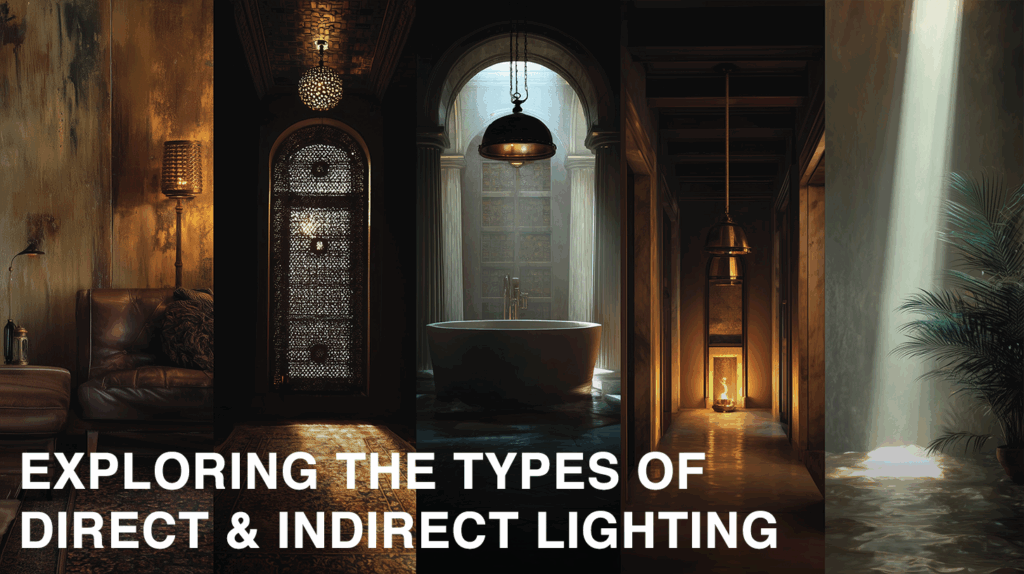
Finding the perfect lighting for your space can be tricky, right? With so many options, like spotlights and pendant lights, it’s easy to feel unsure. But don’t worry—we’ve done the homework for you! Here’s how the right fixtures and techniques can light up your home or workspace beautifully.
Key Takeaways
- Direct lighting focuses light on a specific area, making it ideal for tasks like cooking, reading, or working. Examples include spotlights and pendant lights.
- Spotlights highlight objects or spaces with precision and are energy-efficient when using modern LED options.
- Recessed downlights provide clean, even illumination while saving ceiling space in homes and offices.
- Pendant lights combine function and style by focusing light downward over areas like kitchen islands or dining tables.
- Proper placement of direct lighting fixtures enhances functionality, reduces eye strain, and improves overall room design.
Understanding Direct Lighting
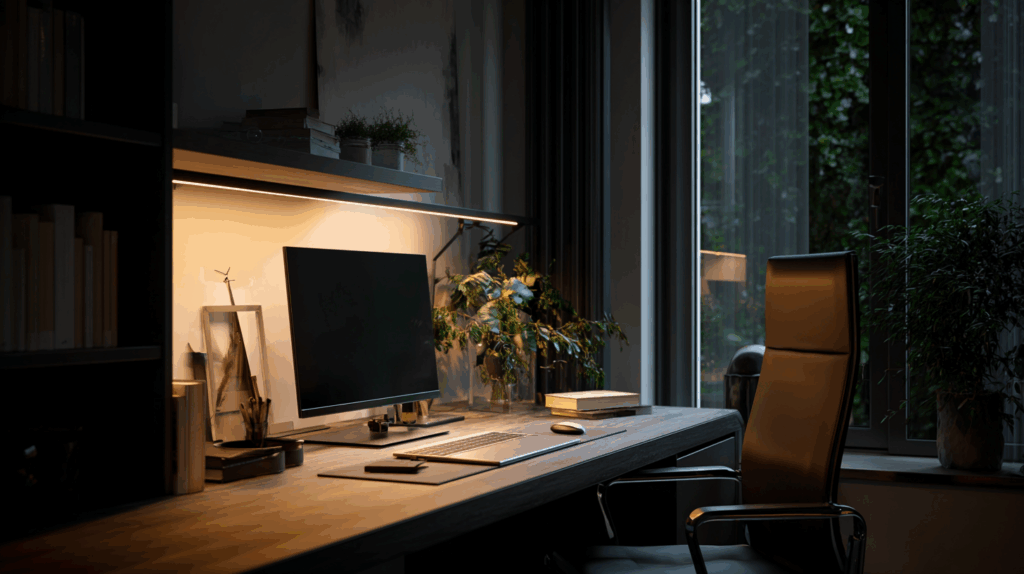
Direct lighting casts light straight from the source to a surface without bouncing off walls or ceilings. It delivers focused illumination, making it ideal for tasks like reading, cooking, or working at a desk.
For example, recessed downlights brighten large spaces evenly while spotlights highlight specific areas.
This type of lighting creates sharp shadows and high brightness in certain spots. Pendant lights over kitchen islands provide focus where we need it most during meal prep. Direct lighting fixtures offer versatility in design and function for any space needing clear visibility.
Types of Direct Lighting Fixtures
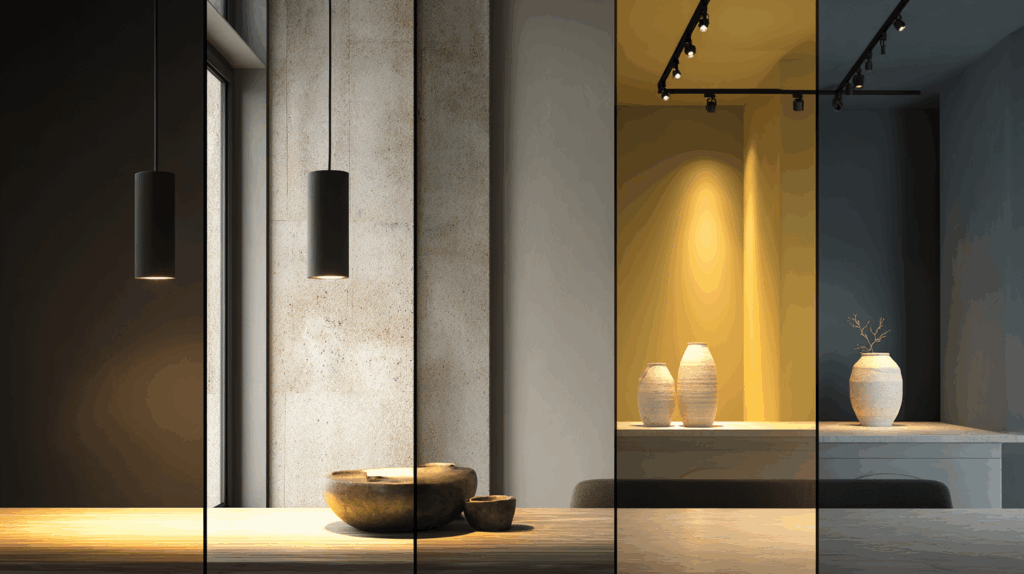
Direct lighting comes from fixtures that focus light directly on a spot or area. These fixtures brighten specific spaces and create clear, strong illumination.
Spotlights
Spotlights produce a focused beam of light. They work well for highlighting artwork, architectural features, or specific areas in a room. This type of functional lighting is effective for accent lighting and task-focused needs.
Spotlights don’t scatter light; instead, they illuminate one area with precision.
These fixtures are among the common types of direct lighting. They offer control over where the light falls, reducing glare and enhancing aesthetics in spaces like living rooms or restaurants.
Many modern designs use LED spotlights to save energy while providing bright illumination. Modern Place specializes in efficient options that fit various interior design styles.
Recessed Downlights
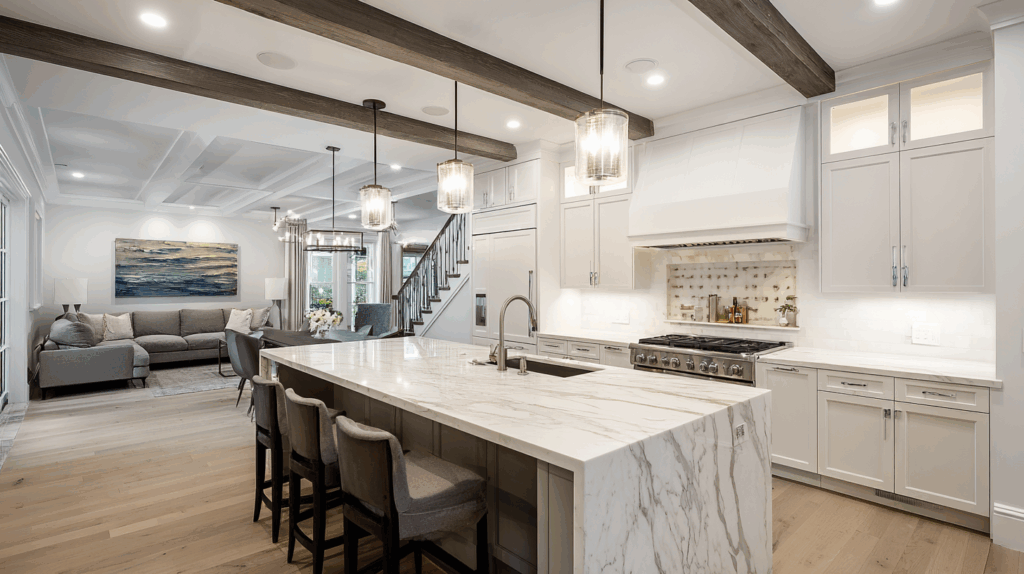
Recessed downlights, or can lights, are installed directly into the ceiling. They provide focused light directed downward, offering general lighting in a room. These fixtures sit flush with the ceiling surface, giving rooms a sleek and clean appearance.
We often use recessed lighting in both homes and commercial spaces. It spreads light evenly across areas like kitchens or offices without adding clutter to ceilings. This style of direct lighting works well for creating ambiance while reducing glare when set up properly.
Track Lighting
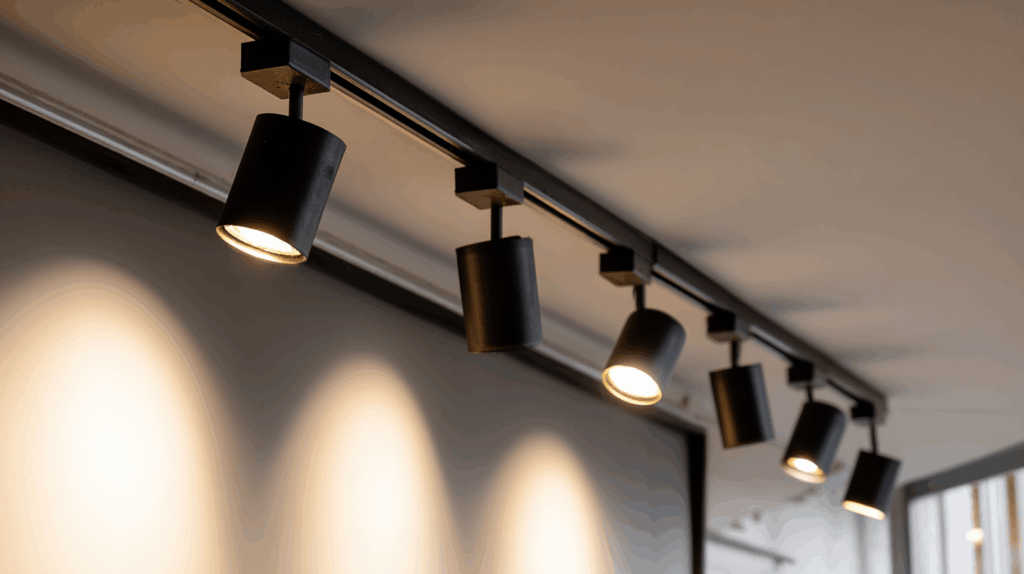
Track lighting uses fixtures mounted on a track. These can be adjusted to change angles and direct light where needed. It works well for task lighting, highlighting features, or general illumination.
This lighting style is highly customizable, making it great for specific needs in homes or businesses. Modern Place designs durable and energy-efficient track lighting solutions that focus on functionality and aesthetics.
This type of direct lighting provides focused, bright light ideal for workspaces or accenting art pieces.
Pendant Lights
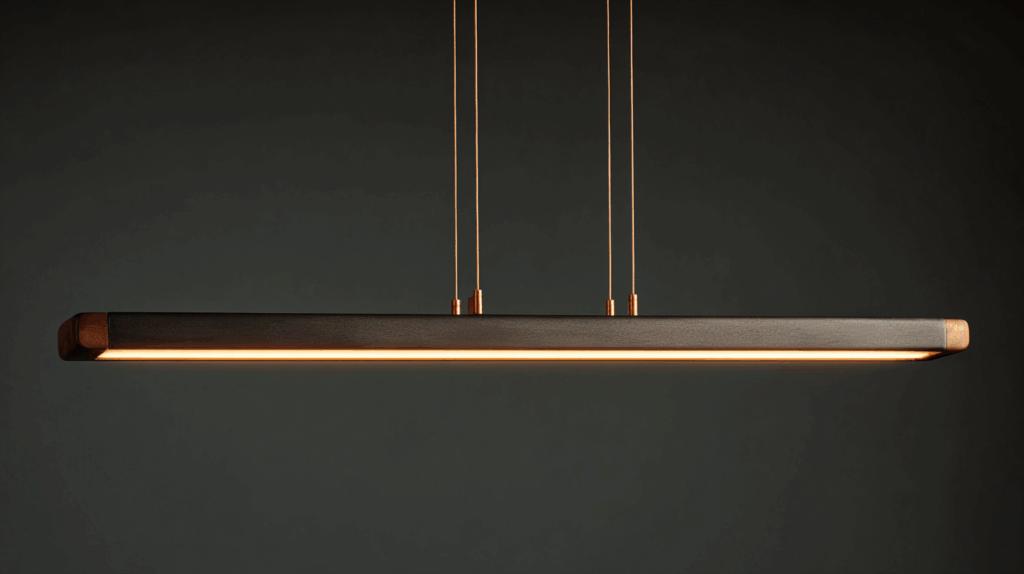
Pendant lights hang from the ceiling and give focused light below. They work well over kitchen islands, dining tables, or counters. Their design combines function and style, making them ideal for both homes and commercial spaces.
These fixtures provide direct lighting that helps with tasks like cooking or reading. Their versatility enhances decor while improving light distribution in a room. This makes pendant lights a great choice for creating practical yet decorative lighting schemes.
Comparing Direct and Indirect Lighting
Direct and indirect lighting serve different purposes. Each has its strengths, depending on how we want to light a space. Here’s a simple comparison:
| Feature | Direct Lighting | Indirect Lighting |
|---|---|---|
| Light Direction | Focused downward or on a specific area | Reflected off walls or ceilings for softer spread |
| Brightness | Bright in concentrated spots | Soft and evenly distributed |
| Shadows | Sharp and defined | Minimal or no shadows |
| Energy Use | More efficient for task lighting | May require more fixtures for even coverage |
| Best Uses | Workspaces, reading areas, kitchens | Living rooms, bedrooms, relaxation areas |
| Fixture Examples | Spotlights, pendant lights | Wall sconces, cove lighting |
This comparison shows why we might choose one over the other. Each creates a unique atmosphere.
Advantages and Disadvantages of Light Distribution Methods
Some light distribution methods work better for specific spaces or purposes. Here’s a quick breakdown of their pros and cons:
| Light Distribution Method | Advantages | Disadvantages |
|---|---|---|
| Direct Lighting |
|
|
| Indirect Lighting |
|
|
| Diffuse Lighting |
|
|
| Accent Lighting |
|
|
Each method comes with its strengths and weaknesses, aligning differently with space needs and design goals.
Design Considerations for Direct Lighting
Think about where fixtures go, the brightness they give off, and how their color affects a room—these choices can change everything.
Fixture Placement
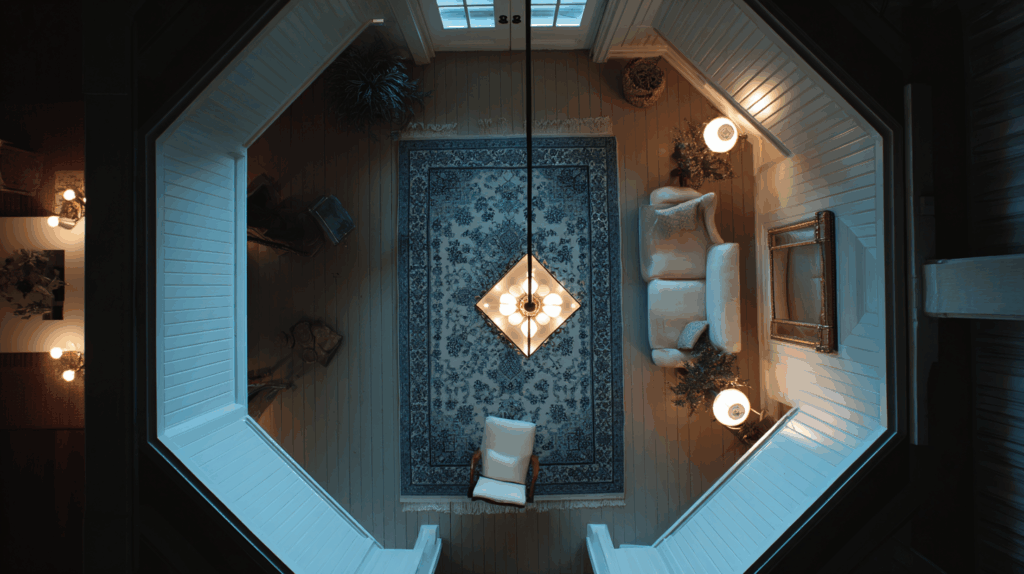
Placement of light fixtures matters a lot for how a space feels and functions. It impacts light distribution, mood, and energy efficiency.
- Spotlights should highlight specific objects like artwork or key areas in a room. Place them at angles to reduce glare on surfaces.
- Recessed downlights must be spaced evenly to avoid dark spots on the ceiling. Install them closer together in small rooms or farther apart in larger spaces.
- Track lighting works best when fixtures can be adjusted to direct light where needed. Use it in spaces like galleries or offices for flexibility.
- Pendant lights should hang at the right height to focus illumination on tables, counters, or desks without blinding anyone sitting below.
- Task lamps belong near workstations or reading areas for concentrated lighting on activities like writing or computer use.
- Under-cabinet lighting enhances visibility on kitchen countertops or other work surfaces. Mount these directly under cabinets for even light spread with no shadows.
Proper placement boosts functionality, reduces eye strain, and improves energy use across commercial and home settings alike!
Light Quality and Color Temperature

Light quality shapes how we see and feel in a space. Poor lighting can strain eyes or create glare, while good lighting improves mood and focus. Hard and soft light also affect the environment.
Soft light spreads evenly, reducing shadows; hard light creates contrast for dramatic effects.
Color temperature ranges from warm to cool tones. Warm colors like 2700K give cozy vibes, perfect for homes or hotels. Cooler tones near 5000K feel fresh and energize workspaces or commercial settings.
Selecting the right temperature helps match the purpose of any space.
FAQs
What is direct lighting, and how does it differ from indirect lighting?
Direct lighting focuses light directly on a surface or object, creating bright and sharp illumination. Indirect lighting involves bouncing light off surfaces to scatter it evenly throughout the space, reducing glare and creating softer effects.
What are some common types of light distribution used in lighting design?
Light distribution can include direct, semi-direct, semi-indirect, and fully indirect methods. Each type affects how the light source emits brightness across a room or area.
How do I choose the right lighting for my space?
Consider your needs, mood preferences, energy conservation goals, and the temperature of the light. Use architectural lighting design techniques like ambient or task-specific solutions to create effective results.
Why is indirect illumination important in certain spaces?
Indirect lighting reduces harsh shadows and glare while scattering light evenly throughout an environment. It works well for relaxing areas where soft diffusion enhances comfort.
How can smart technology improve modern commercial lighting systems?
Smart systems allow better control over fixtures using sensors or apps to adjust brightness levels based on daylight harvesting or circadian rhythm needs while improving energy efficiency.

I have been the project manager for Modern.Place since early 2016, spending three of those years working overseas on the manufacturing & procurement side of the LED lighting industry. Constantly learning and passing on knowledge to others while excited for what the lighting industry will involve into next.
